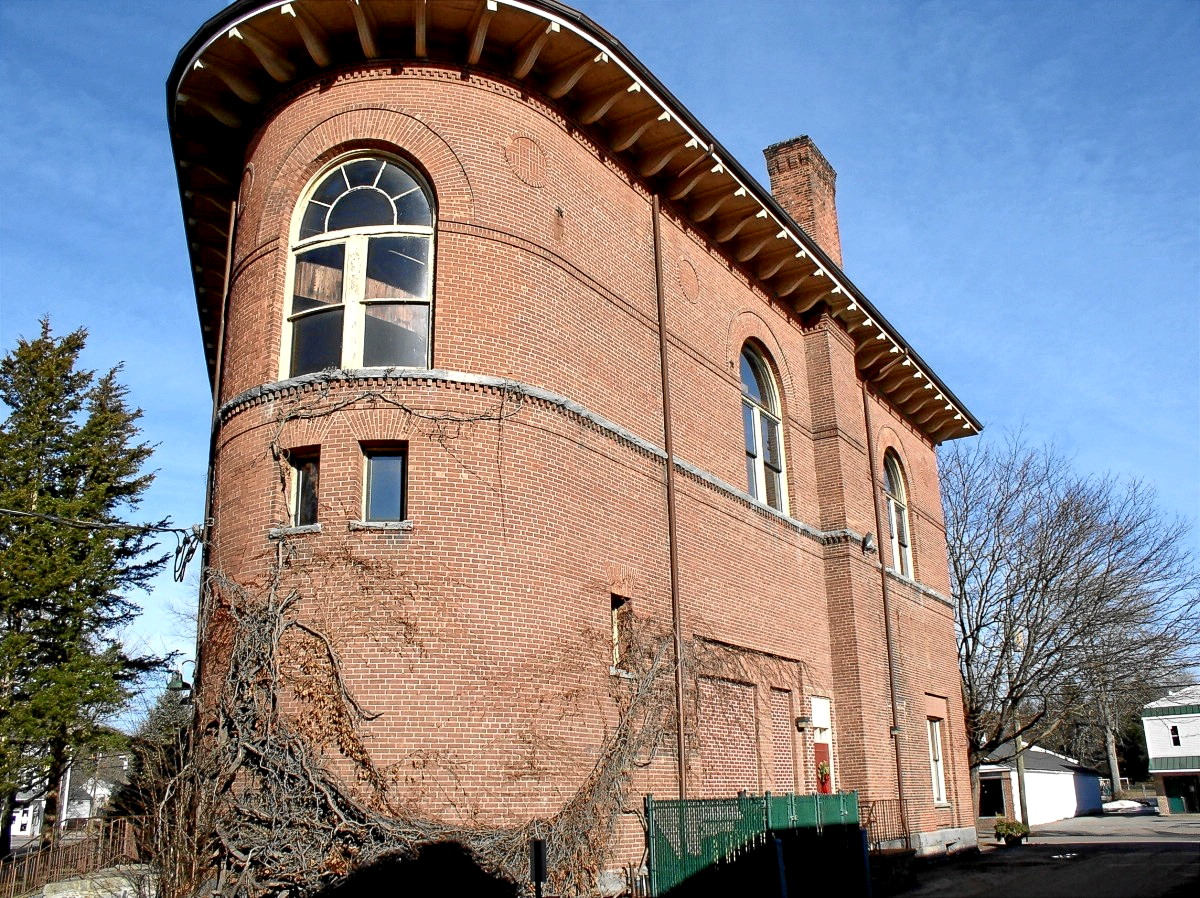
Deep River Town Hall (1893)

town-hall-deep-river.jpg

Deep River‘s distinctive Town Hall was built in 1893 in a “flatiron” shape to conform to its location, where Elm and Main Streets intersect diagonally. The building originally had businesses and a post office (which moved out in the 1960s) on the first floor, with town offices being on the second floor. The third floor has an auditorium. The building’s granite foundation and the 1905 granite fountain outside were both donated by Samuel F. Snow in memory of his wife.

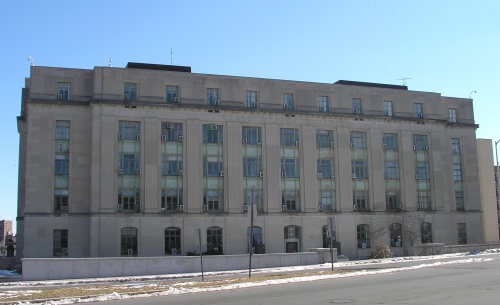
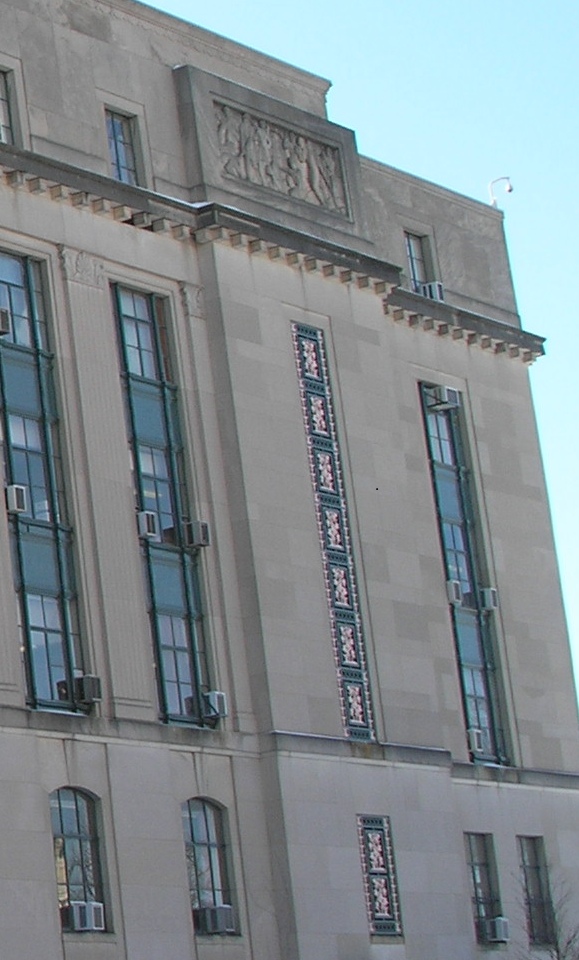
First Church of Christ, Congregational, East Haddam (1794)

first-church-east-haddam.jpg

East Haddam‘s first Ecclesiastical Society began in 1704 and the first meetinghouse took five years to build. The first minister was Rev. Stephen Hosmer. A second meeting house replaced the first in 1728 and the third and current church was built in 1794. It was designed by Lavius Fillmore, an architect who later designed the Congregational churches in two Vermont towns, Bennington (1805) and Middlebury (1809), the latter being considered his masterpiece. The Federal-style East Haddam church has an elaborate interior with Doric columns and Roman arches. It was also built with a domed ceiling which provides excellent acoustics.

John Pratt, Jr. House (1732)

pratt-house-museum.jpg

The John Pratt House, on West Avenue in Essex, evolved to its present form over many years. John Pratt, Jr. was the grandson of Lt. William Pratt, one of the first settlers of Essex. At the time, the Pratt’s were a family of blacksmiths. In 1701, John Jr. built the gambrel-roofed section, which is now at the rear of the Pratt House. In 1732, he began to construct the front part of the house, which grew over time. The house passed through several generations of the family and became a rental property in the early twentieth century. In 1953, it was given to the Society for the Preservation of New England Antiquities. The house has been owned and operated as a house museum by the Essex Historical Society since 1985.

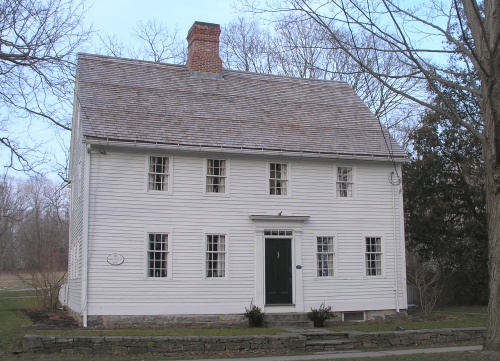
The Noah Clark Tavern (1791)

noah-clark-homestead.jpg

Noah Clark, Sr. built his house in Haddam on Saybrook Road in 1791. In the seventeenth century, the property had been the location of Haddam’s first meetinghouse. The house served as a tavern in the nineteenth century, run by Noah Clark, Jr. and, after his death in 1834, by his widow, Charity and son, Austin S. Clark. The house was restored in 1997 and is now a private residence. There is also a nineteenth century barn which survives in good condition on the property. (more…)