Timothy Stevens House (1693)

timothystevenshouse.JPG

Built around 1693, on Main Street, by the town of Glastonbury for its first minister, Reverend Timothy Stevens. Building a Meeting House and having a resident minister were requirements the new town had to meet to seperate from Wethersfield. Given a choice between a 20-foot house, or one twice the length–provided he supplied the nails, glass and iron–the minister opted for the larger size. The house is also notable for having an early brick foundation. Like other seventeenth century houses in Glastonbury, the house faces south.

The William Wickham House (1685)

williamwickhamhouse.JPG

Located on Main Street in Glastonbury, the house built by William Wickham was constructed in two sections. The first section, built in 1685, with its front facade facing south, was originally a saltbox. After the marriage of William Wickham‘s son John, in 1716, an addition was completed the following year, facing Main Street, which had been laid out in 1698. The new addition featured a gambrel roof and the roof on the south facade was adjusted to match it.

The Hale-Rankin House (1789)

hale-rankinhouse.JPG

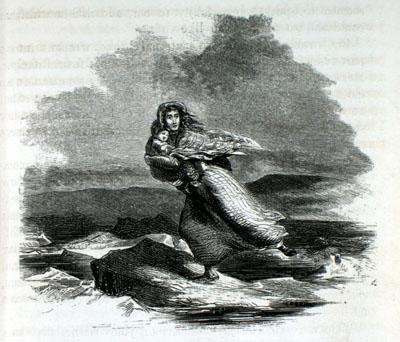
Earlier believed to have been built by Andrew Hale around 1754, with alterations made later in the Federal-style, the Hale-Rankin House is now thought to have been built in the Federal style in 1789. Located on Main Street in Glastonbury, it was built by Benjamin Hale and was later owned by the Reverend Samuel Rankin in the nineteenth century. Rankin was an abolitionist who told stories of people fleeing slavery by crossing the ice on the Ohio River. These stories influenced Harriet Beecher Stowe‘s story of Eliza crossing the ice in Uncle Tom’s Cabin. The house’s doorway is featured in Plate XXIV of Frederick Kelly’s Early Domestic Architecture of Connecticut. Post Edited 5/27/08.

The Ebenezer Plummer House (1765)

ebenezerplummer.JPG

What is now known as the Ebenezer Plummer House was originally built in 1750 by Dr. Elizur Hale, who ended up not being able to afford the house he had built on Main Street in Glastonbury. He sold it to Ebenezer Plummer, a successful merchant. Plummer moved to Glastonbury from Boston in the 1750s and his house displays some architectural features perhaps more common to eastern Massachusetts than to the Connecticut River Valley. Plummer was a town leader during the Revolutionary War. The house was moved to its current location in on Main Street in 1947, when Douglas Road was constructed connecting to Main Street at the home’s original site. Post Edited 5/27/08.

John Hollister House (1649)

johnhollisterhouse.JPG

The oldest House in Glastonbury was built in 1649, by Lt. John Hollister, and originally stood on the bank of the Connecticut River. Due to frequent flooding, it was moved to its current location, on Tryon Street, near Roaring Brook, in 1721. The rear lean-to, added around 1830, gave the house a saltbox shape. Hollister probably did not live in this house himself, as he maintained his main residence in Wethersfield, across the river. Instead, he rented it to three tenants, the brothers Josiah, Jonathan and John Gilbert, who farmed his land on the east side of the river. Hollister’s descendants would later make the house their ancestral home for many generations.